
By Michael.
Hip-hop culture happens to glamorize and sell death as a form of status symbol to the living. Death by homicide, mostly of young males cut down in their prime. Friends, family and associates of the slain sometimes draw social capital and street repute from such realities that gang life usually brings. Graffiti, miles long and many feet high, go up and records sell volumes where the victim held some sort of sway or clout. Many though, are never this lucky to earn even a brief period of localized fame. As those with no names in the streets, silence and few flowers announce the passing of such people.
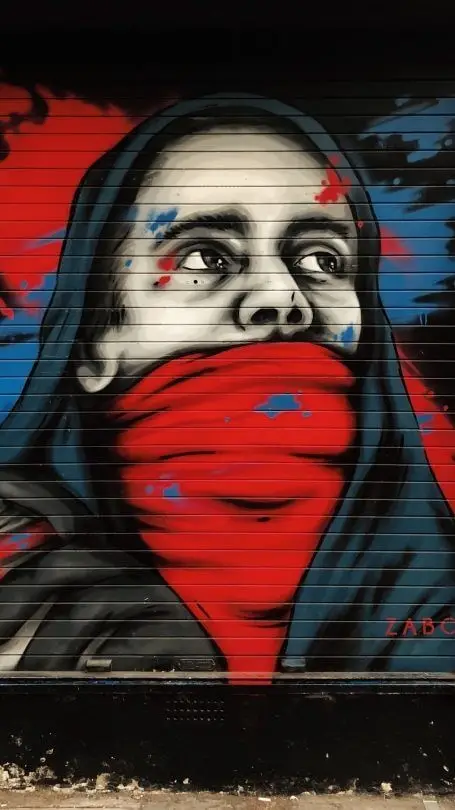
Little known, well known or unknown, these deaths have become a staple in neighbourhoods encased in gang violence. Death now has a home in art it seems, just through the sights and sounds in streets many now call home. There’s this feel of something like a tribute to Valhalla; the home of the gods from Norse mythology.
But why Valhalla?
Because it’s a place of the brave, the daring and the bold and that must be earned. But only in death.
A place where the dead get a chance to become gods.
I once squatted with a family on accounts of their kindness and warmth to me. Though my stay was short, a photograph from that time comes to mind again and again. The imagery was that of a male figure, young and impressionable. Now, this was a large townhouse with three rooms and a basement. It had three levels. The family was equally large with a grand-parent, a single parent, kids and grand kids.
Visitors were frequent and most happened to have branched out of the family into other locations. And lucky me, I made an acquaintance with those whom I met on occasion. The more the faces and persons I met became clearer and clearer, the more this framed photo on the wall called my attention.
Here was a picture of a young man who maybe didn’t visit much with family I thought. Then in my curious way of inquiry, I let my tongue slip. I have never come across this fellow I whispered to the granny of the house. Where is he, I asked.
Her response was first a heave, then a walk across the living room to a couch where she settled her old frame down. My ears and heart took in the scenes her words conjured, piece by piece before finally forming a full picture of events after a while.
So, yes I had heard of shootings before now, but my emotional connection to such happenings was shaky at best. And now, here I was in a space that carried such loss, day in day out. She was home that day and it began with a phone call, she told me. Like the many calls that come into homes after the deed has been done. After life begins ebbing away from human bodies while medics and cops race to the rescue. And on most occasions, families lose out while the streets win in a continuous orgy of violence.
Today, memorabilia of hip-hop icons slain in the heat of trivial disputes catch the eye at every turn. Are these martyrs of gang violence or martyrs of hip-hop culture? Accurate or not, all the same, these names and faces still capture the popular imagination of the hip-hop faithful worldwide. Who shall join the pantheon next, is anyone’s guess as the newsreel keeps rolling. The late Christopher Wallace sold the grim spectacle of demise better than most while still living. His studio albums Ready To Die and Life After Death would sell to much acclaim and street rave on debut and much more after his passing.
Overtime, the art birthed from loss, I now suspect to be grief writ large through creativity. Though a certain romanticism for death as a form of glory seems to appear in glints someway, somehow for the careful observer. In where he was shot in Toronto or anywhere else, the fellow from the photograph has no art in memoriam.